

Los Algodones
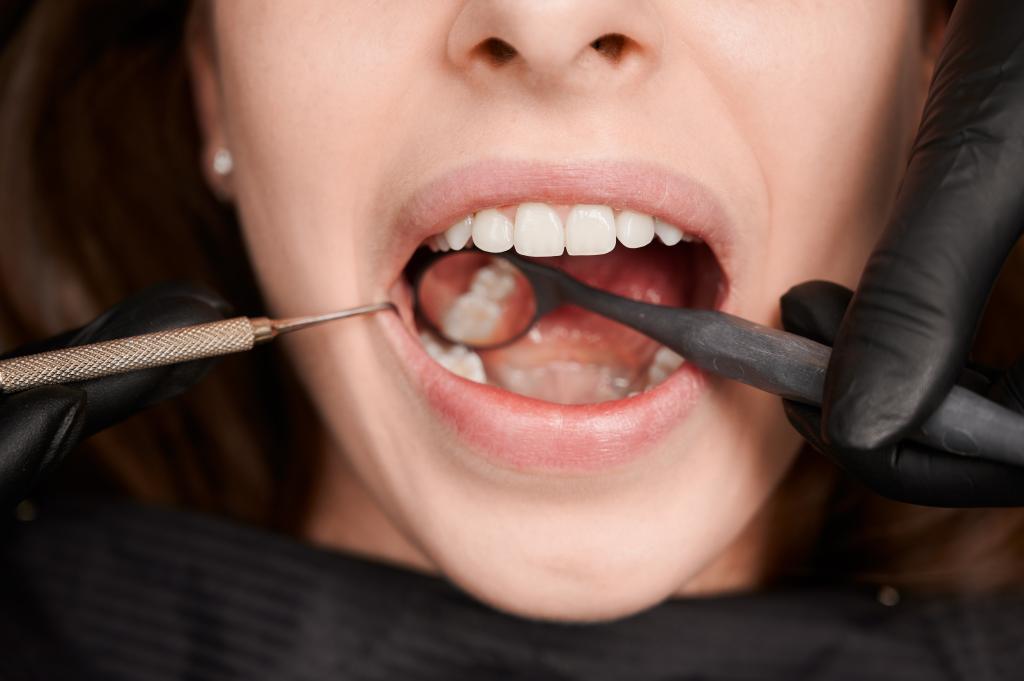
According to the Cleveland Clinic website, Gum disease, also known as periodontal disease, is inflammation and infection of your gums and the bone that supports your teeth. It can be a result of poor hygiene, but some people are more prone to this type of infection. Symptoms may include bad breath, loose teeth and bleeding, swollen gums. There are many treatments available, depending on the severity of disease.
In its early stages, gum disease may cause mild symptoms such as redness, swelling, or bleeding when brushing or flossing. Because these signs are often painless, many people don’t realize they need gum disease attention until the condition becomes more advanced. Beyond oral health, untreated gum disease has also been linked to systemic health issues, including heart disease and diabetes, making early care essential.
Understanding the stages of gum disease can help you recognize when it’s time to seek professional care and prevent long-term damage.
Gingivitis is the mildest and most common stage of gum disease. It occurs when plaque and bacteria irritate the gums, causing:
Red or swollen gums.
Bleeding during brushing or flossing.
Bad breath.
At this stage, gum disease is completely reversible with proper oral hygiene and professional dental cleanings.
If gingivitis is not treated, it can progress to early periodontitis. The gums begin to pull away from the teeth, forming pockets that trap bacteria. Symptoms may include:
Increased gum bleeding.
Gum recession.
Mild bone loss.
This stage requires professional gum disease treatment to stop further damage.
As the disease advances, infection spreads deeper, affecting the bone and connective tissues. Patients may experience:
Noticeable gum recession.
Loose or shifting teeth.
Persistent bad breath.
Without treatment, tooth stability is compromised.
This is the most severe stage of gum disease. Significant bone loss occurs, and teeth may become very loose or fall out. At this point, extensive treatment is necessary to preserve oral health and prevent further complications.
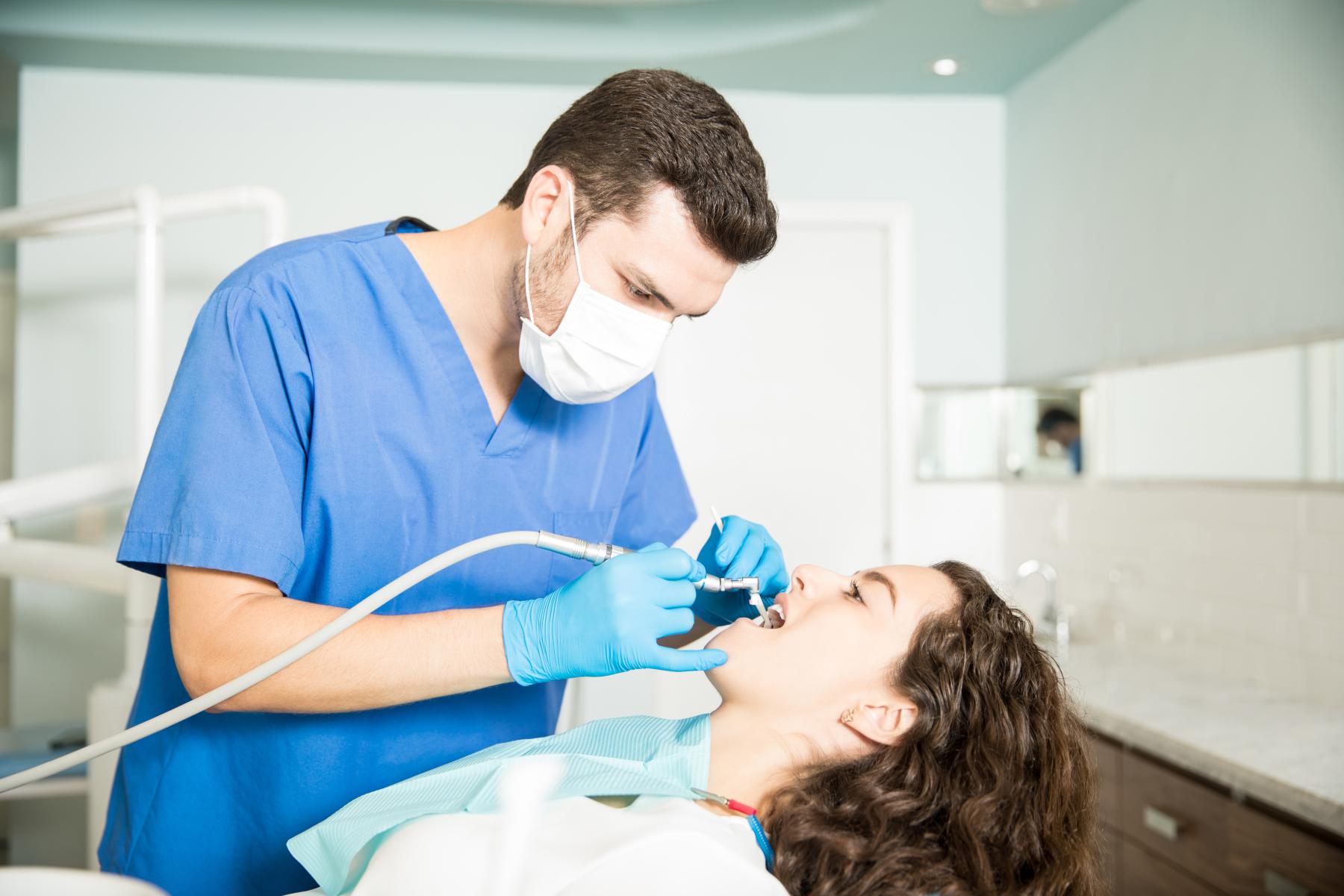
The good news is that gum disease can be treated—and in its early stages, even reversed—with the right approach and timely care.
For mild cases, professional cleanings remove plaque and tartar buildup that regular brushing can’t reach. This is often enough to reverse gingivitis.
For more advanced stages, deep cleaning procedures are used to remove bacteria from below the gumline and smooth the tooth roots, helping gums reattach to the teeth.
In some cases, antibacterial rinses or localized antibiotics are used to control infection and reduce inflammation.
Successful treatment doesn’t end after one visit. Regular dental checkups, improved oral hygiene habits, and professional monitoring are essential to prevent recurrence.
In severe cases, surgical procedures or regenerative treatments may be necessary to restore lost bone and gum tissue.
Ignoring gum disease can lead to permanent damage, not only to your smile but to your overall health. Seeking gum disease treatment early helps:
Preserve your natural teeth.
Reduce inflammation and pain.
Improve long-term oral and systemic health.
With proper care, patients can regain healthy gums, fresh breath, and confidence in their smile.
Gum disease doesn’t have to compromise your smile or your quality of life. With early attention, proper diagnosis, and the right treatment, it’s possible to stop its progression and restore healthy gums. Paying attention to the warning signs and seeking professional care can make all the difference in protecting your teeth and overall well-being.
At Sani Dental Group, our experienced dental professionals offer personalized gum disease treatment using advanced technology and patient-centered care. Whether you’re experiencing early symptoms or need comprehensive periodontal treatment, our team is here to help you regain a healthy, confident smile.
👉 Schedule your consultation today and take the first step toward healthier gums and a stronger smile. Your oral health deserves expert care. Let us help you smile with confidence again.
Disclaimer: Open dentist to help you with your dental needs. We are taking additional special measures following CDC recommendations to ensure your health and safety.
More Blogs